India Escalates Trade War with US, Imposes 35% Tariff on American Farm Products

Aug 12, 2025 By

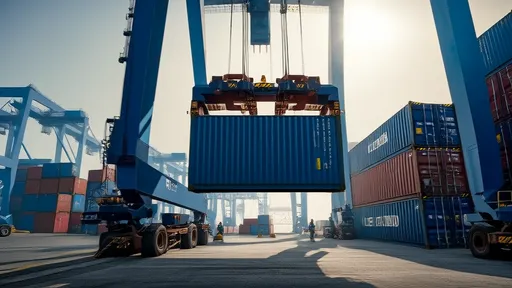
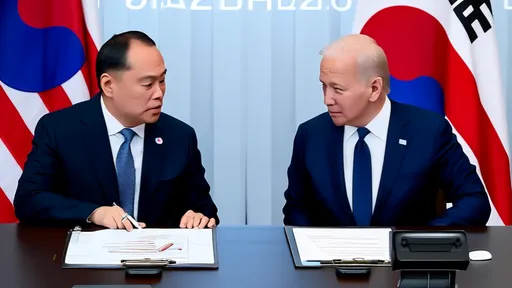
The ongoing trade tensions between India and the United States have taken a sharp turn as New Delhi announced a steep 35% tariff hike on key American agricultural imports. The move, seen as a retaliatory measure following Washington's recent restrictions on Indian steel and aluminum exports, threatens to further strain economic relations between the two nations.


Indian Commerce Minister Piyush Goyal confirmed the decision during a press conference in New Delhi, stating that the increased duties would apply immediately to apples, almonds, walnuts, and several other agricultural commodities predominantly imported from the United States. "While we value our trade relationship with America, we cannot allow domestic farmers to bear the brunt of unfair trade practices," Goyal asserted.


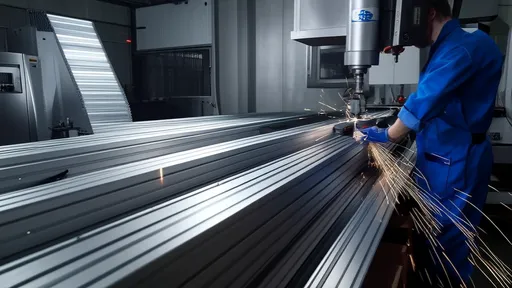
The tariff escalation comes just three months after the U.S. Commerce Department reinstated Section 232 tariffs on Indian steel (25%) and aluminum (10%) products, citing national security concerns. Industry analysts note that American farmers, already struggling with declining Chinese purchases amid the U.S.-China trade war, now face another significant export market contraction.


California's almond growers, who ship nearly $650 million worth of produce to India annually, are expected to be hardest hit. The Western Agricultural Trade Association estimates the new tariffs could reduce U.S. almond exports to India by 40-50% within the first year, as Indian importers shift to cheaper suppliers from Australia and Iran.


In Washington, the reaction was swift and critical. U.S. Trade Representative Katherine Tai called the Indian measures "disproportionate and damaging to the spirit of bilateral cooperation." Speaking to reporters outside the White House, Tai warned that the administration was evaluating "all available options" to protect American agricultural interests, including potential countermeasures targeting India's pharmaceutical and information technology sectors.


Market reactions reflected the growing unease. Shares of major American agribusinesses like Driscoll's and Blue Diamond Growers fell 3-5% on the New York Stock Exchange following the announcement. Meanwhile, Indian commodity traders reported a surge in inquiries for non-American agricultural alternatives, with some Iranian walnut exporters offering discounts of up to 20% to capitalize on the situation.


The trade dispute exposes fundamental disagreements about market access that have simmered for years. American officials have long criticized India's agricultural import restrictions and unpredictable policy changes, while New Delhi argues that developed nations unfairly subsidize their farming sectors at the expense of developing economies.


Behind the scenes, diplomatic sources reveal that negotiations had been ongoing through backchannels since the U.S. steel tariffs were imposed in June. However, talks reportedly broke down last week when India rejected a U.S. proposal that would have required New Delhi to significantly increase purchases of American natural gas and military hardware in exchange for maintaining existing agricultural tariffs.


Economists warn that the conflict could have ripple effects across global food supply chains. India represents the world's second-largest consumer market, and any sustained reduction in American agricultural imports may trigger price volatility in international commodity markets. The UN Food and Agriculture Organization has already signaled concerns about potential knock-on effects for food security in neighboring countries that rely on India's redistribution networks.


Domestically, the Modi government faces competing pressures. While farmer unions have welcomed the protective measures, Indian food processing companies reliant on affordable American imports warn of impending price hikes for consumers. The Confederation of Indian Industry issued a statement cautioning that "tit-for-tat trade measures often hurt domestic industries more than they help."


Historical context adds complexity to the current standoff. U.S.-India trade relations had shown steady improvement since the early 2000s, with bilateral trade growing from $20 billion in 2000 to over $160 billion in 2022. The current rupture marks the most severe test of this economic partnership in nearly two decades.


As both nations prepare for critical elections in 2024 - India's general election and the U.S. presidential race - political observers suggest neither side may be willing to appear weak by backing down. The coming weeks will likely see intensified lobbying from affected industries on both sides, with particular attention on whether the dispute spills over into strategic areas like defense cooperation and technology transfer agreements.


The World Trade Organization has offered to mediate discussions, but neither government has yet formally requested intervention. For now, global markets watch nervously as two of the world's largest democracies risk sliding into a full-blown trade war with unpredictable consequences for the post-pandemic economic recovery.


Recommend Posts
Business

African Union Joint Statement: Opposing US Unilateral Tariffs, Seeking Multilateral Solutions

By /Aug 12, 2025

The African Union (AU) has issued a strong collective statement condemning recent unilateral tariff measures imposed by the United States, calling for a return to multilateral frameworks to resolve trade disputes. The declaration, signed by representatives of all 55 member states, marks one of the continent's most unified economic policy positions in recent years and reflects growing frustration with what African leaders describe as "disruptive protectionism" from major economies.
Business

China's Central Bank Cuts Reserve Requirement Ratio by 0.5%, Unleashing Trillions in Liquidity

By /Aug 12, 2025

The People's Bank of China (PBOC) has announced a 50-basis-point cut to the reserve requirement ratio (RRR) for financial institutions, marking another significant move to bolster liquidity in the world's second-largest economy. The decision, which took effect immediately, is expected to unleash approximately 1 trillion yuan ($140 billion) in long-term capital into the banking system. This strategic adjustment underscores Beijing's commitment to stabilizing economic growth amid persistent domestic and global headwinds.
Business

Trump Administration Mulls 20% Tariff Increase on European Luxury Goods, Potential Price Hike for LV, Gucci

By /Aug 12, 2025

The Trump administration's consideration of imposing a 20% tariff on European luxury goods has sent shockwaves through the fashion industry. Brands like Louis Vuitton, Gucci, and Hermès, which have long dominated the high-end market, may soon become even more expensive for American consumers. This potential policy shift comes amid escalating trade tensions between the U.S. and the European Union, with luxury goods emerging as a prime target in the ongoing economic standoff.
Business

U.S. Treasury Yield Curve Inversion Deepens, Signaling Recession Risks

By /Aug 12, 2025

The U.S. Treasury yield curve has deepened its inversion in recent weeks, reigniting fears of an impending economic recession among investors and policymakers. The spread between the 2-year and 10-year Treasury yields, a closely watched indicator, has widened to levels not seen since the early 1980s, a period marked by severe economic downturns. This development has sent shockwaves through financial markets, with analysts scrambling to assess the potential fallout for the broader economy.
Business

UK Considers Joining CPTPP to Reduce Trade Dependence on the US

By /Aug 12, 2025

The United Kingdom is actively exploring the possibility of joining the Comprehensive and Progressive Agreement for Trans-Pacific Partnership (CPTPP), a move that signals a strategic shift in its post-Brexit trade policy. As geopolitical tensions and economic uncertainties reshape global trade dynamics, Britain is seeking to diversify its economic partnerships and reduce its reliance on the United States. This potential accession could redefine the UK’s trade relationships across the Asia-Pacific region while bolstering its position as an independent trading nation.
Business

EU Plans Retaliatory Tariffs on US for Digital Tax, Tech Giants Face Dual Pressure

By /Aug 12, 2025

The European Union is reportedly preparing to impose retaliatory tariffs targeting American tech giants as tensions escalate over digital taxation policies. This move comes as part of a broader transatlantic dispute that could reshape the financial obligations of multinational corporations operating across borders. The proposed measures signal a hardening stance from Brussels, which has long criticized the dominance of U.S. technology firms in European markets without what it views as fair fiscal contributions.
Business

Blue J Secures $167 Million in Series D Funding, AI Tax Research Gains Popularity

By /Aug 11, 2025

The tax technology sector has witnessed a seismic shift with Blue J's recent $160 million Series D funding round, underscoring the growing investor appetite for AI-driven legal and tax research platforms. The Toronto-based startup's valuation now approaches unicorn status as it positions itself at the forefront of what analysts are calling "the algorithmic revolution in professional services."
Business

Bitcoin Shatters $80,000 Barrier as Institutional Investors Flood Crypto Markets

By /Aug 12, 2025

The cryptocurrency world is abuzz as Bitcoin, the flagship digital asset, has surged past the $80,000 mark, setting a new all-time high. This milestone comes amid a wave of institutional capital flowing into the crypto space, signaling a growing acceptance of digital assets as a legitimate component of diversified investment portfolios. Market analysts point to a combination of macroeconomic factors, technological advancements, and shifting investor sentiment as key drivers behind this unprecedented rally.
Business

US Imposes 30% Tariff on Southeast Asian Electronics Components, Supply Chain Hit Again

By /Aug 12, 2025

The global electronics supply chain faces another disruptive wave as the United States imposes steep 30% tariffs on electronic components imported from Southeast Asia. This move, part of Washington's broader trade policy adjustments, has sent shockwaves through manufacturing hubs across the region and raised concerns about prolonged inflationary pressures in the tech sector.
Business

Fed September Rate Cut Expectations Rise, US Dollar Index Hits Three-Month Low

By /Aug 12, 2025

The US dollar index tumbled to a three-month low this week as markets increasingly priced in a potential Federal Reserve rate cut as early as September. The greenback's weakness reflects shifting expectations about the timing of monetary policy easing amid signs of cooling inflation and softening economic data.
Business

Kraken Robotics Unveils 25-Month Financing Strategy to Bolster Financial Flexibility

By /Aug 11, 2025

Kraken Robotics, a leading marine technology company specializing in advanced sonar and robotic systems, has announced a comprehensive 25-month financing plan aimed at strengthening its financial position while maintaining operational agility. The strategic move comes as the company seeks to capitalize on growing demand for its underwater solutions across defense, offshore energy, and seabed mapping sectors. By proactively securing funding over an extended period, Kraken positions itself to navigate market uncertainties while continuing to invest in cutting-edge research and development.
Business

ECB Hints at Further Easing, Eurozone Economy Faces Deflation Risks

By /Aug 12, 2025

The European Central Bank has once again sent ripples through global financial markets with its latest signals pointing towards further monetary policy easing. As the eurozone economy grapples with persistently low inflation and weakening growth prospects, policymakers appear increasingly willing to deploy additional stimulus measures to stave off the specter of deflation. This development comes amid growing concerns that the currency bloc might be entering a prolonged period of economic stagnation.
Business

Mexico Delays Tariffs on U.S. Corn, Seeks NAFTA Renegotiation

By /Aug 12, 2025

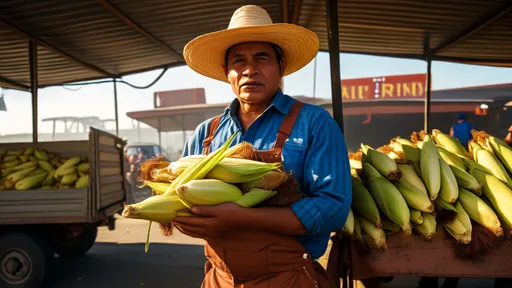
Mexico has decided to postpone imposing tariffs on U.S. corn imports as both nations engage in renewed negotiations over the North American Free Trade Agreement (NAFTA). The move signals a potential thaw in trade tensions between the two neighboring countries, which have been locked in a complex renegotiation process since last year.
Business

Yen Exchange Rate Plunges Below 160, BoJ Intervenes Urgently in Forex Market

By /Aug 12, 2025

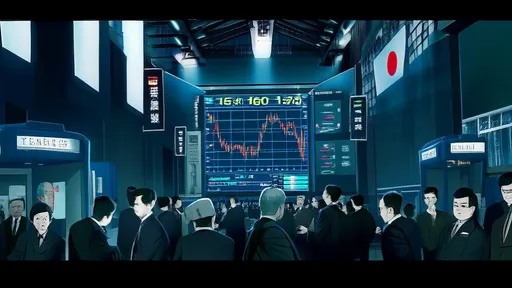
The Japanese yen plunged past the psychologically critical 160 mark against the U.S. dollar this week, triggering an emergency intervention by the Bank of Japan (BOJ) in what analysts describe as a desperate bid to stabilize the floundering currency. This dramatic move comes amid mounting pressure on Japan's central bank to address the yen's relentless depreciation, which has now stretched into its third consecutive year. Market watchers were caught off guard by the speed of the decline, with the currency breaching the 160 level for the first time since 1990 during early Asian trading hours.
Business

Global Trade System Restructuring, WTO Warns of Unilateralism Risks

By /Aug 11, 2025

The World Trade Organization (WTO) has issued a stark warning about the growing risks of unilateralism as the global trading system undergoes a profound transformation. In an era marked by geopolitical tensions, supply chain disruptions, and economic nationalism, the multilateral framework that once governed international commerce is facing unprecedented challenges. The WTO's latest reports suggest that the shift toward bilateral and regional trade agreements, coupled with the rise of protectionist policies, could undermine decades of economic progress.
Business

China Imposes Retaliatory Tariffs on US Chemical and Auto Parts Imports

By /Aug 12, 2025

The ongoing trade tensions between China and the United States have taken another turn as Beijing announced retaliatory tariffs targeting American chemical and automotive parts exports. The move comes in response to recent US trade restrictions and is seen as a calculated countermeasure to protect domestic industries while signaling China’s readiness to defend its economic interests. The new tariffs, which affect a range of products from industrial chemicals to critical vehicle components, are expected to ripple through global supply chains already strained by geopolitical uncertainties.
Business

Canada Launches WTO Challenge Against U.S. Over 35% Steel and Aluminum Tariffs

By /Aug 12, 2025

The Canadian government has initiated a formal dispute at the World Trade Organization (WTO) against the United States, contesting the reinstatement of steep tariffs on Canadian steel and aluminum imports. The U.S. recently reimposed a 35% tariff on these critical metals, a move Ottawa argues violates international trade rules and undermines long-standing economic ties between the two nations.
Business

Mogo Shakes Up Crypto Strategy with WonderFi Stake Sale, Doubles Down on Bitcoin

By /Aug 11, 2025

The Canadian fintech firm Mogo Inc. has made a bold strategic pivot, announcing the divestment of its stake in crypto platform WonderFi while significantly increasing its direct Bitcoin holdings. This unexpected move signals a fundamental shift in the company’s approach to cryptocurrency exposure, prioritizing raw asset ownership over equity investments in crypto infrastructure.
Business

India Escalates Trade War with US, Imposes 35% Tariff on American Farm Products

By /Aug 12, 2025

The ongoing trade tensions between India and the United States have taken a sharp turn as New Delhi announced a steep 35% tariff hike on key American agricultural imports. The move, seen as a retaliatory measure following Washington's recent restrictions on Indian steel and aluminum exports, threatens to further strain economic relations between the two nations.
Business

South Korea and US Reach Chip Supply Chain Deal, Tariff Exemptions with Restrictions on Exports to China

By /Aug 12, 2025

The recent semiconductor supply chain agreement between South Korea and the United States has sent ripples through the global tech industry, creating both opportunities and constraints for major chip manufacturers. The deal, finalized after months of negotiations, grants South Korean chipmakers extended tariff exemptions while imposing new restrictions on their ability to export advanced semiconductor technology to China.