The United Kingdom is actively exploring the possibility of joining the Comprehensive and Progressive Agreement for Trans-Pacific Partnership (CPTPP), a move that signals a strategic shift in its post-Brexit trade policy. As geopolitical tensions and economic uncertainties reshape global trade dynamics, Britain is seeking to diversify its economic partnerships and reduce its reliance on the United States. This potential accession could redefine the UK’s trade relationships across the Asia-Pacific region while bolstering its position as an independent trading nation.
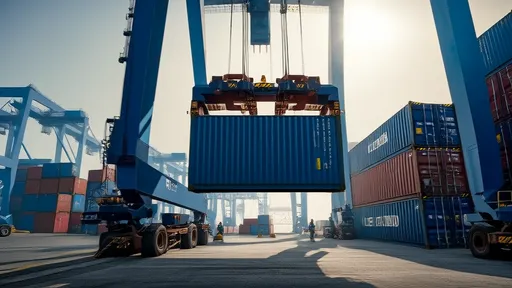
Why CPTPP? The CPTPP, a free trade agreement spanning 11 Pacific Rim nations, represents one of the world’s largest trading blocs, covering nearly 14% of global GDP. For the UK, membership would provide access to fast-growing markets such as Japan, Canada, Australia, and Vietnam, offering new opportunities for British exporters in industries ranging from financial services to agriculture. More importantly, it aligns with the British government’s broader strategy of "Global Britain," which emphasizes deeper engagement with non-European markets following its departure from the EU.
While the UK has historically leaned heavily on its transatlantic trade relationship with the US, recent challenges—including stalled negotiations for a comprehensive bilateral trade deal—have prompted a reassessment. Washington’s increasingly protectionist stance under recent administrations has left British policymakers wary of over-dependence on American markets. Joining the CPTPP could serve as a counterbalance, ensuring that the UK is not overly exposed to the economic and political fluctuations of any single partner.
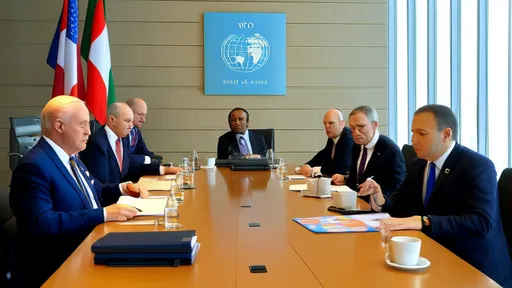
Economic and Geopolitical Implications The decision to pursue CPTPP membership is not merely an economic calculation; it carries significant geopolitical weight. By aligning itself with a bloc that includes key US allies such as Japan and Australia, the UK is positioning itself as a bridge between the Atlantic and Pacific spheres. This could enhance its influence in shaping future trade rules, particularly in areas like digital trade and environmental standards, where the CPTPP has been progressive.
However, the path to accession is not without hurdles. Some CPTPP members, including Canada and New Zealand, have expressed reservations about the UK’s agricultural subsidies, which they argue could distort competition. Additionally, the UK’s ability to meet the agreement’s stringent regulatory requirements—particularly in areas like labor and environmental protections—will be closely scrutinized. Critics within Britain also question whether the economic benefits will be substantial enough to justify the concessions that may be required.
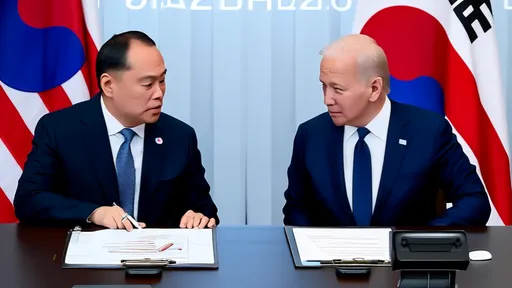
The US Factor A key driver behind the UK’s pivot toward the CPTPP is the diminishing prospect of a sweeping trade deal with the US. Despite initial optimism following Brexit, negotiations have been slow, with disputes over agricultural standards and pharmaceuticals creating roadblocks. The Biden administration’s focus on domestic priorities and "Buy American" policies has further dampened expectations. In this context, the CPTPP offers an alternative avenue for the UK to expand its trade footprint without being held back by Washington’s shifting priorities.
At the same time, the UK must navigate the delicate balance of strengthening ties with CPTPP nations while maintaining its special relationship with the US. Some analysts suggest that joining the bloc could actually complement, rather than undermine, transatlantic trade by positioning Britain as a gateway for US businesses seeking access to CPTPP markets. Nonetheless, the broader message is clear: the UK is determined to chart its own course in global trade, even if it means stepping out of America’s shadow.
Looking Ahead As formal negotiations progress, the UK’s potential entry into the CPTPP will be closely watched by both supporters and skeptics. Proponents argue that it will inject fresh momentum into the British economy, particularly as the country seeks to recover from the dual shocks of Brexit and the pandemic. Detractors, however, caution against overestimating the immediate gains, noting that many CPTPP economies already have bilateral agreements with the UK.
What remains undeniable is that the move reflects a broader recalibration of Britain’s post-Brexit trade strategy—one that prioritizes diversification and resilience. Whether or not CPTPP membership delivers on its promises, it underscores the UK’s ambition to forge a distinct role in the global trading system, independent of both the EU and the US.

By /Aug 12, 2025

By /Aug 12, 2025

By /Aug 12, 2025

By /Aug 12, 2025

By /Aug 12, 2025

By /Aug 12, 2025

By /Aug 11, 2025

By /Aug 12, 2025

By /Aug 12, 2025

By /Aug 12, 2025

By /Aug 11, 2025

By /Aug 12, 2025

By /Aug 12, 2025

By /Aug 12, 2025
By /Aug 11, 2025
By /Aug 12, 2025

By /Aug 12, 2025

By /Aug 11, 2025

By /Aug 12, 2025
By /Aug 12, 2025