The global electronics supply chain faces another disruptive wave as the United States imposes steep 30% tariffs on electronic components imported from Southeast Asia. This move, part of Washington's broader trade policy adjustments, has sent shockwaves through manufacturing hubs across the region and raised concerns about prolonged inflationary pressures in the tech sector.
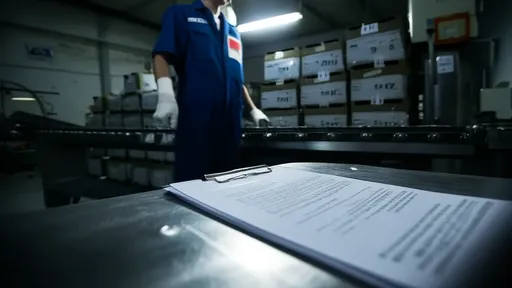
Industry analysts describe the tariff decision as the most significant trade barrier erected against Southeast Asian electronics since the U.S.-China trade war began. The affected components include printed circuit boards, semiconductor packaging, and passive components - all critical building blocks for everything from smartphones to electric vehicles. With Southeast Asia accounting for nearly 28% of global electronics intermediate goods exports, the ripple effects will be felt across multiple industries.
Malaysia and Vietnam appear hardest hit by the new measures, as both countries have become major production bases for electrical and electronic parts in recent years. American importers who shifted their supply chains to Southeast Asia following earlier tariffs on Chinese goods now find themselves facing similar cost pressures. "We're seeing a whack-a-mole scenario where tariffs simply chase production from one low-cost region to another," noted supply chain expert David Chen of the Asia Trade Institute.
The timing couldn't be worse for electronics manufacturers already struggling with soft consumer demand. Many companies had been counting on Southeast Asian suppliers to help maintain thin profit margins amid sluggish sales. Now, industry groups estimate the tariffs could add $4-6 billion annually to U.S. companies' procurement costs, with those expenses likely to be passed on to consumers eventually.
Behind the scenes, trade lawyers report a scramble to interpret the tariff's fine print. There appears to be some confusion about whether certain multi-origin products qualify for exemptions. A semiconductor chip designed in the U.S., manufactured in Taiwan, and packaged in Malaysia, for instance, presents complex classification challenges. Customs brokers anticipate months of delays as importers navigate these gray areas.
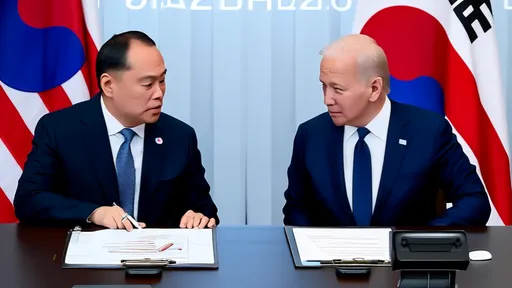
In Hanoi and Kuala Lumpur, government officials have expressed disappointment with the U.S. decision. Malaysia's Trade Minister called the move "counterproductive to shared goals of supply chain resilience" during a press conference, while Vietnamese representatives hinted at possible retaliatory measures. However, with both nations running substantial trade surpluses with the U.S., their options appear limited.
The tariffs arrive just as Southeast Asia's electronics sector was showing signs of recovery from pandemic-era disruptions. Factory output had finally normalized after years of component shortages, and order books were beginning to refill. Now, manufacturers face the prospect of canceled orders or demands for price concessions they can ill afford to give.
Small and medium component suppliers throughout the region appear most vulnerable. Unlike multinational corporations that can shift production between countries, these local firms often lack the resources to quickly reconfigure their operations. The Malaysian Electronics Industry Association has already requested emergency government assistance for its smaller members.
Longer term, the tariffs may accelerate two existing trends: nearshoring to Mexico and increased automation. Several U.S. manufacturers had already been exploring Mexican production as an alternative to Asian supply chains, and these tariffs make that option more financially attractive. Simultaneously, the increased costs may justify greater investments in automated production that reduces labor cost differentials.
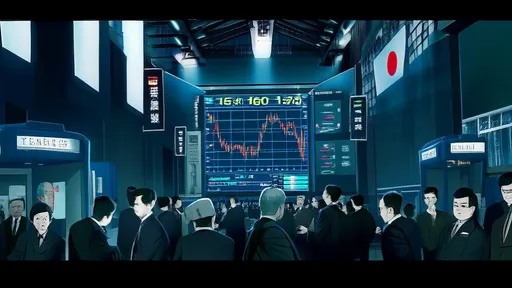
Market reactions have been swift but varied. While shares of Southeast Asian electronics exporters tumbled, some American component manufacturers saw their stocks rise on expectations of renewed domestic demand. The mixed signals reflect uncertainty about whether U.S. producers can realistically fill the gap created by more expensive imports.
Consumer advocacy groups warn that the tariffs could prolong high prices for electronics at a time when inflation had finally begun moderating. "Americans will essentially pay a new tax on every device containing these components," said Consumer Technology Association spokesperson Lauren Thompson. She noted that with average households owning 25 connected devices, the cumulative impact could be substantial.
The geopolitical dimensions of the tariff decision remain subject to debate. Some analysts view it as part of a broader strategy to reduce reliance on Asian supply chains, while others interpret it as leverage in ongoing trade negotiations. What's clear is that the move further complicates the already tangled web of global electronics trade.
As companies digest the news, contingency planning has kicked into high gear. Procurement teams are reevaluating supplier networks, logistics firms are modeling new shipping routes, and product managers are reconsidering design specifications to minimize tariff impacts. This flurry of activity underscores how a single trade policy change can send thousands of businesses scrambling to adapt.
The full consequences won't be apparent for months, but early indicators suggest the electronics industry may be entering another period of turbulence. With demand uncertain and costs rising, manufacturers face difficult choices about absorbing expenses or risking market share through price increases. For an industry that thrives on stability and predictability, these tariffs represent yet another unwelcome variable in an already complex equation.
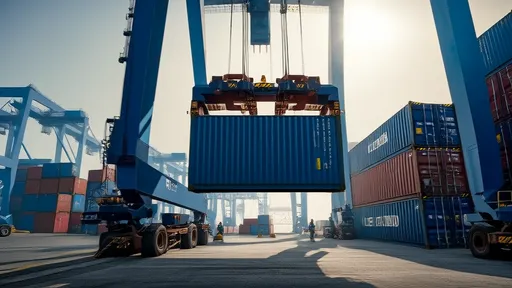
What began as a regional trade matter has quickly escalated into a global business challenge. From semiconductor fabricators in Penang to retail shelves in Chicago, interconnected supply chains mean tariff impacts propagate rapidly. In our hyperconnected world, there are no truly local trade policies anymore - only global ones with local consequences.

By /Aug 12, 2025

By /Aug 12, 2025

By /Aug 12, 2025

By /Aug 12, 2025

By /Aug 12, 2025

By /Aug 12, 2025

By /Aug 11, 2025

By /Aug 12, 2025
By /Aug 12, 2025

By /Aug 12, 2025

By /Aug 11, 2025

By /Aug 12, 2025

By /Aug 12, 2025
By /Aug 12, 2025

By /Aug 11, 2025
By /Aug 12, 2025

By /Aug 12, 2025

By /Aug 11, 2025

By /Aug 12, 2025
By /Aug 12, 2025