Mexico has decided to postpone imposing tariffs on U.S. corn imports as both nations engage in renewed negotiations over the North American Free Trade Agreement (NAFTA). The move signals a potential thaw in trade tensions between the two neighboring countries, which have been locked in a complex renegotiation process since last year.
The Mexican government had previously threatened to impose retaliatory tariffs on American agricultural products, including corn, in response to the Trump administration’s steel and aluminum tariffs. However, with NAFTA talks still ongoing, Mexican officials have opted for a more cautious approach, delaying the implementation of duties that could escalate trade hostilities.
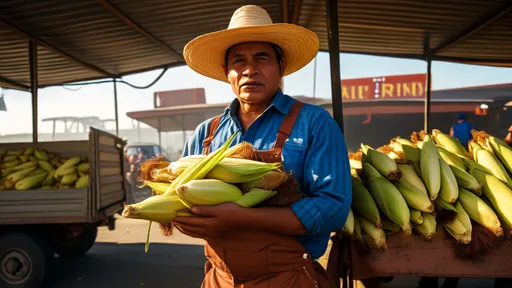
Economic analysts suggest that Mexico’s decision reflects its reliance on U.S. corn, a staple in the country’s food supply chain. Nearly all of Mexico’s corn imports come from the United States, making any disruption in trade a significant risk to food security and prices. By holding off on tariffs, Mexico avoids immediate economic repercussions while keeping pressure on Washington to reach a favorable NAFTA deal.
Meanwhile, the Trump administration has maintained a firm stance on renegotiating NAFTA, demanding stricter rules on automotive manufacturing and labor provisions. U.S. Trade Representative Robert Lighthizer has repeatedly emphasized the need for a "fairer" agreement that reduces the U.S. trade deficit with Mexico. The postponement of tariffs may provide additional time for both sides to bridge their differences.
Behind the scenes, Mexican negotiators are pushing for concessions that protect key industries, including agriculture and automotive manufacturing. The country’s economy heavily depends on trade with the U.S., and a breakdown in NAFTA talks could have severe consequences for jobs and investment. Mexican officials have also sought to align with Canada, presenting a united front in negotiations.
Farmers and industry groups in both countries have been closely monitoring the situation. U.S. corn producers, who export billions of dollars’ worth of grain to Mexico annually, have lobbied against trade barriers that could disrupt their market. Similarly, Mexican livestock producers, who depend on affordable U.S. feed corn, have urged their government to avoid measures that could raise production costs.
The delay in tariffs does not mean tensions have fully subsided. If NAFTA negotiations stall again, Mexico could revive its threat of retaliatory measures. Some trade experts warn that prolonged uncertainty could lead businesses to reconsider supply chains, potentially shifting investments away from North America.
Political dynamics further complicate the situation. With Mexico’s presidential election approaching, the current administration is under pressure to secure a deal that safeguards the economy. In the U.S., midterm elections could influence the Trump administration’s willingness to compromise, as trade policy remains a contentious issue among voters.
As talks continue, both nations face a delicate balancing act. Mexico must protect its economic interests without provoking further U.S. trade actions, while the Trump administration must reconcile its "America First" agenda with the realities of North American supply chains. The postponement of corn tariffs offers a temporary reprieve, but the ultimate resolution of NAFTA’s future remains uncertain.
Looking ahead, the next round of negotiations will be critical in determining whether the U.S., Mexico, and Canada can modernize the 24-year-old trade pact. A failure to reach an agreement could lead to renewed threats of tariffs, further destabilizing regional trade relations. For now, stakeholders on both sides of the border are hoping for a breakthrough that preserves the economic benefits of NAFTA while addressing the demands of all three nations.

By /Aug 12, 2025

By /Aug 12, 2025

By /Aug 12, 2025

By /Aug 12, 2025

By /Aug 12, 2025

By /Aug 12, 2025

By /Aug 11, 2025

By /Aug 12, 2025
By /Aug 12, 2025

By /Aug 12, 2025

By /Aug 11, 2025

By /Aug 12, 2025
By /Aug 12, 2025
By /Aug 12, 2025

By /Aug 11, 2025
By /Aug 12, 2025

By /Aug 12, 2025

By /Aug 11, 2025

By /Aug 12, 2025
By /Aug 12, 2025