In a world drowning in plastic waste, scientists may have uncovered an unlikely ally in the fight against pollution: the humble waxworm. Recent research has revealed that the intestinal bacteria of these caterpillar-like creatures possess a remarkable ability to break down polypropylene, one of the most stubborn and widely used plastics. This discovery opens new avenues for tackling the global plastic crisis through biological means.
The waxworm, or Galleria mellonella, has long been known as a pest in beehives where it feeds on beeswax. However, its plastic-degrading capabilities came to light somewhat accidentally when researcher Federica Bertocchini, an amateur beekeeper, noticed that waxworms left in a plastic bag seemed to be eating through the material. This casual observation sparked a series of scientific investigations that have since revealed the worms' extraordinary digestive talents.
At the heart of this phenomenon lies not the waxworms themselves, but the microbial communities thriving in their guts. These symbiotic bacteria appear to produce enzymes capable of breaking the long polymer chains that make polypropylene so durable. Polypropylene, used in everything from food packaging to car parts, accounts for about 20% of global plastic production and is particularly resistant to natural degradation, persisting in the environment for decades.
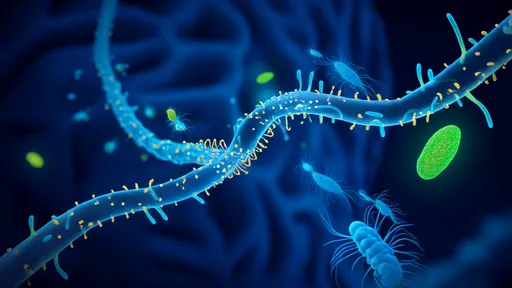
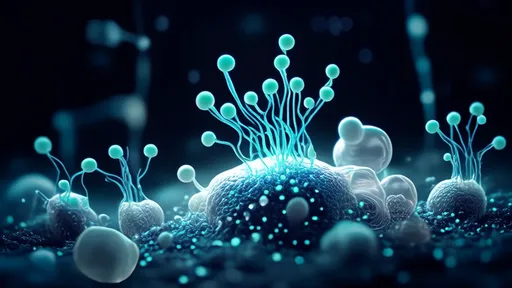
The microbial breakdown process begins when the waxworm consumes plastic as it would normally consume beeswax. As the plastic passes through the insect's digestive system, specific gut bacteria go to work. Laboratory analyses have identified several bacterial strains, including Enterobacter and Bacillus species, that appear particularly effective at decomposing the plastic. These microbes seem to use the plastic as a carbon source, essentially "eating" it for energy in a process that could revolutionize waste management.
What makes this discovery particularly exciting is the speed at which these microbes operate. Under controlled conditions, waxworm gut bacteria have been shown to degrade polypropylene at rates significantly faster than any previously known natural degradation process. While traditional plastic breakdown in nature might take hundreds of years, these microbial communities can make noticeable changes to plastic structure within days or weeks.
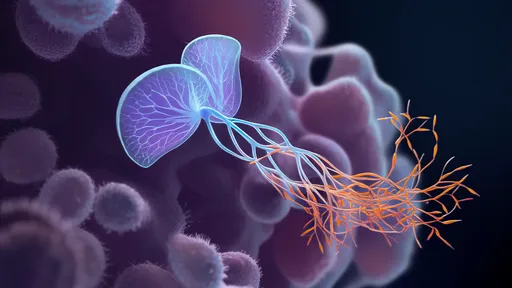
The scientific community is now racing to understand the precise mechanisms behind this plastic degradation. Early research suggests that the bacteria produce specialized enzymes that target the chemical bonds in polypropylene. These enzymes appear to oxidize the plastic, breaking it down into smaller molecules that the microbes can then metabolize. Understanding and potentially enhancing this enzymatic activity could lead to breakthrough technologies for plastic waste processing.
One promising avenue of research involves isolating the most effective plastic-degrading bacterial strains and cultivating them outside of the waxworm's digestive system. Scientists hope to develop industrial-scale bioreactors where these microbes could process large quantities of plastic waste. Such systems would need to be carefully controlled to ensure complete breakdown of plastics without releasing harmful byproducts into the environment.
The potential applications of this discovery are vast. Imagine waste treatment facilities where plastic trash is fed to vats of specially cultivated bacteria, emerging as harmless organic compounds. Or consider landfill remediation projects where targeted microbial treatments could accelerate the breakdown of buried plastics. There's even speculation about developing "plastic compost" systems for household use, though such applications would require significant technological refinement.
However, significant challenges remain before this discovery can be translated into practical solutions. The current rate of plastic degradation, while impressive compared to natural processes, is still too slow for industrial-scale applications. Researchers need to optimize conditions to maximize the efficiency of the bacterial breakdown. There are also concerns about potential byproducts of the degradation process and whether they might have unintended environmental consequences.
Another major hurdle involves the diversity of plastics in use today. While the waxworm gut bacteria show promise with polypropylene, they may not be effective against other common plastics like polyethylene or PET. This limitation means that even if the technology proves viable, it would only address a portion of the global plastic waste problem. Scientists are now exploring whether similar microbial capabilities might exist for other types of plastics.
The discovery also raises intriguing evolutionary questions. Why would waxworm gut bacteria evolve the ability to break down synthetic plastics that have only existed for less than a century? One theory suggests that the chemical structure of polypropylene shares similarities with natural compounds found in beeswax, the worm's traditional food source. The bacteria may have developed enzymes to digest these natural wax components that coincidentally work on plastic polymers.
As research progresses, scientists are taking care to consider the ecological implications of harnessing these plastic-eating microbes. There are concerns about releasing genetically modified or even naturally occurring plastic-degrading bacteria into the environment, where they might affect plastic items still in use. Containment and control will be critical factors in developing any commercial applications of this technology.
Beyond the immediate applications for waste management, this discovery highlights the incredible adaptability of microbial life. The fact that bacterial communities can evolve to digest human-made materials in such a short timeframe demonstrates the remarkable plasticity (pun intended) of microbial metabolism. It serves as a reminder that nature often finds ways to adapt to human environmental impacts, sometimes offering unexpected solutions to the problems we've created.
The waxworm research also underscores the importance of biodiversity conservation. Who would have imagined that a common beehive pest might hold the key to solving one of humanity's most persistent pollution problems? Countless other potentially useful organisms and microbial communities may exist in nature, waiting to be discovered before they're lost to habitat destruction or climate change.
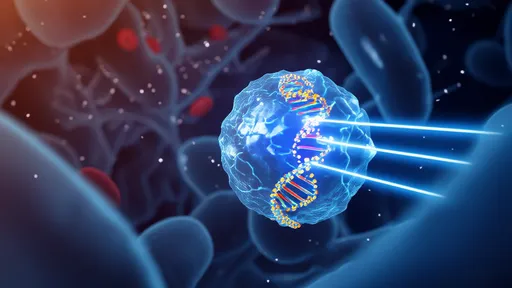
Looking ahead, the next steps in this research involve detailed genomic studies of the waxworm's gut microbiome to identify the specific genes responsible for plastic degradation. Scientists hope to isolate and possibly enhance these genetic factors, potentially through synthetic biology approaches. There's also interest in exploring whether other insect species or microbial communities might possess similar or even more powerful plastic-degrading capabilities.
While microbial plastic degradation won't single-handedly solve the world's plastic pollution crisis, it could become an important tool in a comprehensive waste management strategy. The most effective approach will likely combine reduced plastic production, improved recycling systems, and innovative biological solutions like the waxworm gut bacteria. As research continues, these plastic-mining microbes may well transform from scientific curiosity to environmental saviors.
For now, the humble waxworm and its intestinal bacteria serve as a powerful reminder that solutions to human-created problems might be found in the most unexpected places. As we grapple with the consequences of our plastic-dependent civilization, nature may have already begun evolving its own answers - we just need to look closely enough to find them.
By /Aug 18, 2025
By /Aug 18, 2025
By /Aug 18, 2025
By /Aug 18, 2025
By /Aug 18, 2025

By /Aug 18, 2025
By /Aug 18, 2025
By /Aug 18, 2025
By /Aug 18, 2025
By /Aug 18, 2025
By /Aug 18, 2025
By /Aug 18, 2025
By /Aug 18, 2025
By /Aug 18, 2025
By /Aug 18, 2025

By /Aug 18, 2025
By /Aug 18, 2025
By /Aug 18, 2025
By /Aug 18, 2025
By /Aug 18, 2025